


How Your Lifestyle Choices Impact Skin Health and Ageing: The Science Behind Looking Your Best
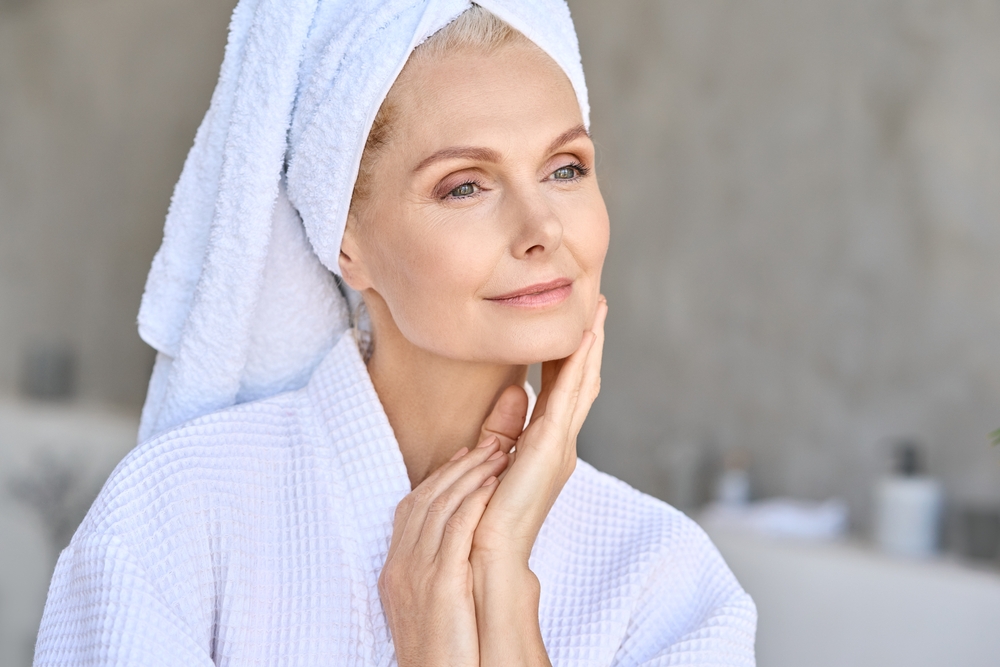
When it comes to maintaining a youthful appearance, your daily habits can have as much impact as genetics or professional treatments. While many people invest thousands in skincare products and procedures, they may unknowingly sabotage these efforts through certain lifestyle habits. Two factors in particular—smoking and sun exposure—can significantly accelerate skin ageing and compromise the results of cosmetic procedures. Let’s explore how these habits affect your skin’s health and appearance and what you can do to protect your largest organ.
The Damaging Effects of Smoking on Your Skin
Smoking doesn’t just harm your lungs and heart; it’s one of the most destructive forces for your skin. Here’s what happens when you smoke:
Reduced Blood Flow and Oxygen
Cigarettes contain nicotine, which constricts blood vessels in the skin, limiting blood flow and decreasing oxygen delivery to skin cells. This compromised circulation means your skin receives fewer essential nutrients and less oxygen, resulting in a dull, uneven complexion and slower wound healing.
Studies have shown that smokers’ skin typically appears 1.4 times older than that of non-smokers of the same age. This premature ageing becomes increasingly noticeable after 10 years of smoking, with the effects becoming dramatically more pronounced the longer one continues to smoke.
Collagen and Elastin Breakdown
The chemicals in tobacco smoke trigger the breakdown of collagen and elastin—the proteins responsible for skin’s firmness and elasticity. As these proteins deteriorate faster than usual, skin becomes looser and develops fine lines and wrinkles prematurely, particularly around the mouth and eyes.
Research indicates that smoking reduces collagen production by as much as 40% while simultaneously increasing the production of enzymes that break down existing collagen. This double-edged assault on your skin’s structural integrity accelerates sagging and wrinkling far beyond what would occur through normal ageing alone.
Free Radical Damage
Smoking introduces thousands of harmful chemicals into your body, generating free radicals—unstable molecules that damage skin cells and accelerate ageing. Over time, this oxidative stress leads to uneven pigmentation, rough texture, and a leathery appearance.
Each puff of a cigarette exposes your skin to over 4,000 chemicals, many of which directly damage cellular DNA and impair the skin’s natural repair mechanisms. This persistent cellular damage manifests as visible signs of ageing that become increasingly difficult to reverse with time.
Impaired Vitamin Absorption
Smoking reduces the absorption of vital nutrients, including vitamin C, which is essential for collagen production and antioxidant protection. This nutritional deficiency further compounds the damage to skin structure and appearance, creating a cycle of accelerated deterioration that becomes increasingly visible over time.
The average smoker requires 35% more vitamin C than a non-smoker just to maintain the same levels in their bloodstream. Without this additional intake, smokers experience compromised healing abilities and diminished protection against environmental damage.
Delayed Healing and Surgical Complications
If you’re considering cosmetic procedures like a facelift or rhinoplasty, smoking significantly impairs your body’s healing ability. Surgeons like Dr. Younger often require patients to stop smoking several weeks before and after surgery to reduce complications and improve outcomes.
Dr. Younger notes in his pre-operative instructions that patients must “stop smoking and avoid all nicotine products” weeks before procedures to promote proper healing and achieve optimal results.
The risk of post-surgical complications is 2-3 times higher in smokers compared to non-smokers, with increased rates of infection, necrosis, poor wound healing, and more visible scarring. This can significantly compromise the aesthetic outcome of facial plastic surgery procedures.
Deeper Facial Lines and Characteristic Wrinkle Patterns
The repetitive facial movements made while smoking—pursing the lips and squinting against smoke—contribute to the formation of characteristic “smoker’s lines” around the mouth and eyes. These dynamic wrinkles become permanently etched into your skin over time.
Smokers typically develop a distinctive pattern of wrinkling that includes vertical lines above the upper lip, deep creases at the corners of the mouth, and pronounced crow’s feet around the eyes. These characteristic lines often make smokers instantly recognizable, even if they’ve taken good care of their skin in other ways.
The Hidden Dangers of Sun Exposure
While most people know that sunbathing can cause skin damage, many underestimate just how destructive everyday, incidental sun exposure can be:
Accelerated Photo-Ageing
UV radiation penetrates deep into the skin, damaging the DNA of skin cells and accelerating ageing through a process called photoageing. This accounts for up to 90% of visible skin ageing—far more than chronological ageing alone.
Researchers estimate that unprotected daily exposure to UV radiation accelerates skin ageing by 4-6 years over a decade. This means simply walking to your car or sitting by a window without sun protection could age your skin as much as half a decade faster than necessary.
Collagen Destruction and Structural Damage
UVA rays penetrate deep into the dermis, breaking down collagen and elastin fibres. Just one day of unprotected sun exposure can lead to measurable collagen damage, while chronic exposure leads to significant loss of skin firmness and resilience over time.
A single instance of sunburn can decrease collagen levels by up to 20%, with the damage persisting for weeks. Over time, repeated UV exposure leads to the accumulation of abnormal elastin fibres called “solar elastosis,” which creates the characteristic leathery texture of sun-damaged skin.
Hyperpigmentation and Uneven Skin Tone
Sun exposure triggers increased melanin production, leading to age spots, freckles, and uneven skin tone. These pigmentation changes can be challenging to reverse and often become more pronounced with age.
Areas of the body with the most sun exposure—like the face, hands, and décolletage—can develop pigmentation up to 35% darker than protected areas of the same person’s skin. This uneven colouration becomes increasingly complex to correct as we age and our skin’s cellular turnover slows.
Compromised Skin Barrier Function
Extended sun exposure damages your skin’s protective barrier function, making it more vulnerable to moisture loss, irritation, and environmental toxins. This can exacerbate existing skin conditions and make your skin more sensitive overall.
Studies show that UV-damaged skin loses moisture up to 4 times faster than protected skin, creating a cycle of dehydration that accelerates fine line formation and compromises your skin’s ability to repair itself effectively. This weakened barrier also makes your skin more susceptible to irritants and allergens.
Increased Risk of Skin Cancer
Perhaps most seriously, UV exposure is the leading cause of skin cancer, including potentially deadly melanoma. Regular sun exposure without proper protection dramatically increases your lifetime risk of developing these dangerous conditions.
Skin cancer rates have risen dramatically in recent decades, with one in five North Americans now developing skin cancer by age 70. While not all skin cancers are fatal, their treatment often involves surgery that can leave noticeable scars, particularly when they occur on visible areas like the face.
Post-Surgical Complications
For patients who have undergone facial surgery, sun exposure during the healing phase can lead to hyperpigmentation of scars and compromised results. Dr. Younger advises all patients to diligently protect healing incisions from the sun.
UV exposure can cause scars to become permanently darker and more noticeable, sometimes creating permanent marks that are difficult or impossible to correct. This is why post-surgical sun protection is essential for optimal aesthetic outcomes.
How These Habits Affect Cosmetic Procedures
If you’re considering cosmetic enhancement, these lifestyle factors become even more significant:
Facelift Longevity and Investment Protection
While a facelift can turn back the clock by 10-15 years, continuing to smoke or getting excessive sun exposure can dramatically shorten those results. As Dr. Younger notes, “Maintaining your results requires ongoing care,” including avoiding these damaging habits.
At Younger Facial Surgery Centre, the average investment in a facelift ranges from $15,000 to $20,000 CAD. This significant investment can be protected and extended by avoiding habits that accelerate ageing. Conversely, continuing to smoke or expose your skin to UV radiation without protection can diminish your results in as little as 2-3 years.
Compromised Healing and Recovery
Both smoking and sun exposure impair wound healing. For surgical procedures like rhinoplasty or eyelid surgery, proper healing is essential for achieving optimal results. Poor healing can lead to more visible scarring, prolonged swelling, and suboptimal outcomes.
Smokers typically experience healing times 2-3 times longer than non-smokers, with higher rates of infection and wound separation. This prolonged recovery not only increases discomfort but can permanently affect the final aesthetic result of any facial plastic surgery procedure.
Increased Complications and Risk Factors
Smokers face higher risks of complications during and after surgery, including infection, poor wound healing, and tissue necrosis. Many surgeons, including Dr. Younger, require patients to quit smoking before undergoing elective procedures.
The risk of skin necrosis (tissue death) is up to 12 times higher in smokers compared to non-smokers after specific facial procedures. This devastating complication can require additional surgeries and may result in permanent scarring or disfigurement.
Diminished Treatment Efficacy
Even nonsurgical treatments like Botox, fillers, and laser procedures show reduced efficacy and longevity in patients who smoke or have significant sun damage. The compromised skin quality and accelerated ageing process in these individuals means they typically require more frequent treatments to maintain results.
Research shows that smokers may experience up to 40% shorter duration of effect from injectable fillers and may require higher doses of neurotoxins like Botox to achieve the same results as non-smokers. This translates to higher long-term costs for the same aesthetic benefits.
Protecting Your Skin: Practical Steps
The good news is that it’s never too late to improve your skin health by changing these habits:
Quitting Smoking: A Comprehensive Approach
- Seek professional support through cessation programs, medication, or counselling
- Notice improvements in skin tone and texture within weeks of quitting
- Allow at least 4-6 weeks smoke-free before undergoing any cosmetic procedure
- Stay committed to remaining smoke-free after your procedure to maintain results
- Consider nicotine replacement therapies under medical supervision if cold-turkey quitting proves too difficult
- Join support groups or use digital apps designed to help track progress and maintain motivation
- Address underlying stress or anxiety that may trigger smoking with healthier coping mechanisms
- Inform friends and family about your decision to create a supportive environment
Sun Protection Strategies: Beyond the Basics
- Apply broad-spectrum SPF 30+ sunscreen daily, even on cloudy days or in winter
- Reapply sunscreen every two hours when outdoors or after swimming/sweating
- Wear protective clothing, wide-brimmed hats, and UV-blocking sunglasses
- Seek shade, especially during peak hours (10am-2pm)
- Consider window treatments for your home and car to block UVA rays
- Use specialized post-procedure sunscreens recommended by your surgeon for healing incisions
- Incorporate antioxidant serums containing vitamins C and E to provide additional protection
- Remember often-missed areas like ears, neck, hands, and lips when applying protection
- Schedule annual skin checks with a dermatologist to monitor for any concerning changes
Supporting Skin Health: A Holistic Approach
- Stay well-hydrated to support skin’s moisture barrier
- Consume antioxidant-rich foods to fight free radical damage
- Use quality skincare products containing retinoids, vitamin C, and peptides
- Consider professional treatments like chemical peels or laser therapy to address existing damage
- Get adequate sleep to allow skin’s natural repair processes to function optimally
- Manage stress through meditation, yoga, or other relaxation techniques
- Maintain a balanced diet rich in essential fatty acids, proteins, and micronutrients
- Exercise regularly to promote healthy circulation and cellular regeneration
- Limit alcohol consumption, which can dehydrate skin and trigger inflammatory responses
The Remarkable Capacity for Skin Recovery
Your skin has an impressive ability to regenerate when given the proper support. Research shows that:
- Blood flow to the skin improves within days of quitting smoking
- Collagen production can increase significantly in the months after quitting
- Some sun damage can be reversed with diligent protection and targeted treatments
- The skin’s barrier function can strengthen within weeks of implementing proper care
Studies indicate that former smokers who have been smoke-free for 10+ years show skin qualities much closer to non-smokers than current smokers. This demonstrates the skin’s remarkable ability to heal when damaging behaviours are eliminated, even after years of exposure.
Similarly, research on photoageing indicates that consistent sun protection combined with topical antioxidants and retinoids can reverse up to 50% of visible sun damage over time. This recovery potential underscores the value of implementing protective habits at any age.
Dr. Younger emphasizes that good post-treatment care is essential for maintaining long-term results. This includes sun protection, stable weight maintenance, and regular check-ups to ensure lasting satisfaction with your results.
Making Informed Choices for Your Skin’s Future
Understanding how your lifestyle choices impact your skin allows you to make informed decisions about both daily habits and cosmetic procedures. By avoiding smoking and practicing sun safety, you’re not just preventing premature ageing—you’re investing in your skin’s long-term health and vitality.
Your decisions today will significantly influence how your skin ages over the coming decades. Even small changes in your daily routine—like applying sunscreen before your morning commute or drinking an extra glass of water—can compound over time, creating substantial differences in your skin’s appearance and health as you age.
Whether you’re considering a surgical procedure like a facelift or rhinoplasty or simply want to look your best naturally, these fundamental habits will significantly influence your results and overall appearance for years to come.
Transform Your Confidence with Younger Facial Surgery Centre in Vancouver
Ready to learn more about how you can achieve your best skin and facial appearance? Dr. Ritchie Younger at Younger Facial Surgery Centre in Vancouver specializes in creating natural-looking results that enhance your unique beauty. With extensive experience in facial plastic surgery procedures, our team understands the delicate balance of technical expertise and artistic vision needed to achieve beautiful, lasting results.
Don’t let skin concerns keep you from feeling your absolute best. Contact Younger Facial Surgery Centre today at (604) 738-3223 or visit here to schedule your private consultation. Our caring team will guide you through every step of the way.


